
Frequently Asked Questions
FAQs
-
Yes, osteopathy is a safe and effective treatment when performed by a qualified practitioner. It’s a non-invasive, gentle hands-on modality. Before starting treatment, we discuss the patient’s health history to ensure it’s suitable. We’re trained to identify potential safety concerns.
Osteopathy is safe for all ages, including the elderly, children, pregnant individuals (after the first trimester), athletes, office workers, and those with both acute and chronic conditions. If a patient requires care outside our scope, we’ll refer them to the appropriate practitioner or medical care.
-
Treatment is performed while you’re wearing clothes. It’s best to wear comfortable, loose-fitting clothing that allows for easy movement. Good options include sweatpants, sweaters, t-shirts, shorts, and athletic pants. Please avoid skirts, dresses, denim pants, and tight leggings.
-
Yes! Osteopathic assessments and treatments are covered by most insurance plans and extended health benefits. Before your appointments, please check with your insurance provider to confirm coverage and the amount, so we can create a treatment plan that works for you.
-
Osteopathic treatment is gentle and non-invasive, using palpation and force delivery that are tailored to each patient’s specific needs and health condition for that day.
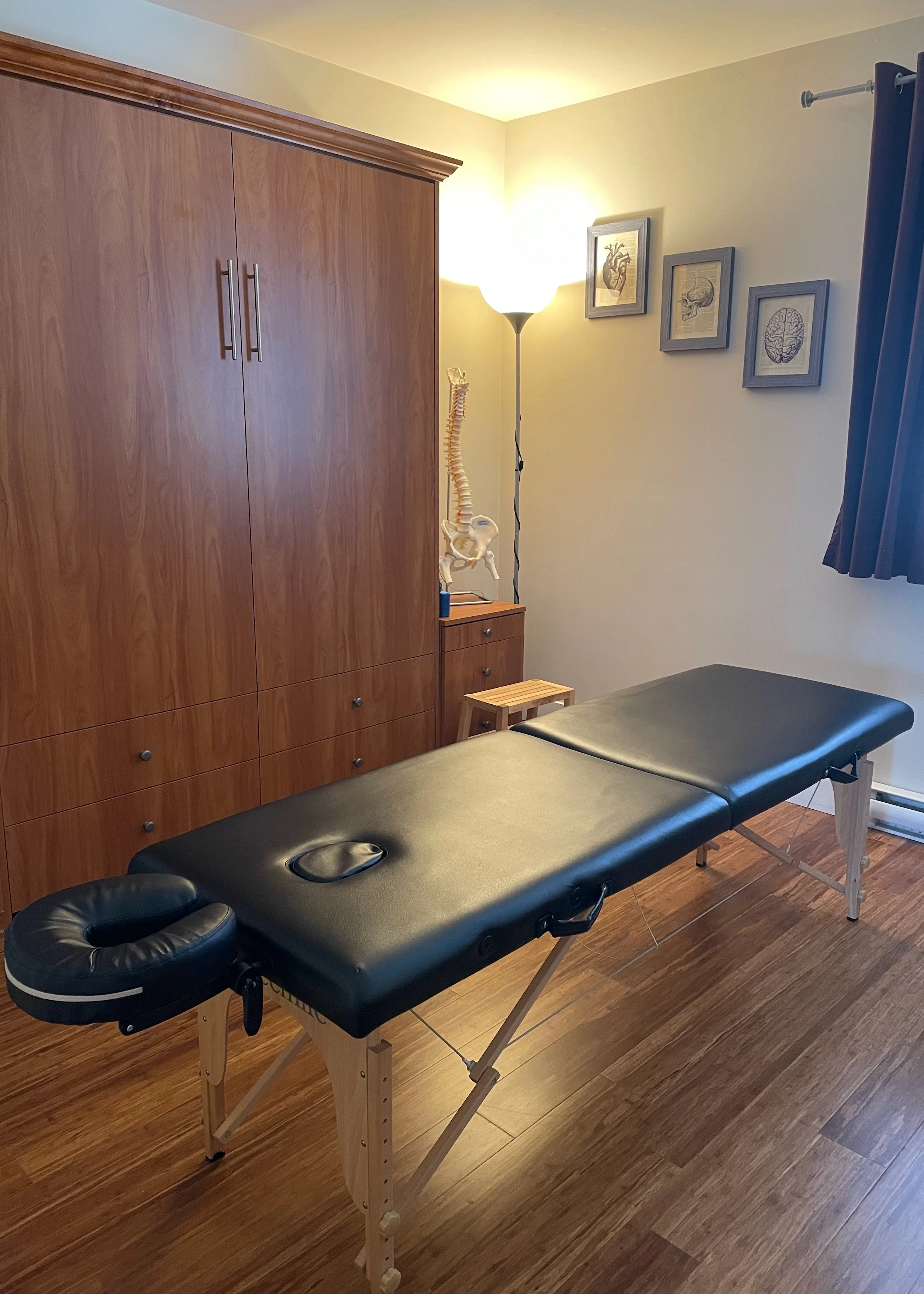
The process begins with structural assessments, comparing and contrasting body motion patterns to identify the root cause of the patient’s problems. Treatment can be administered in various positions, including seated, lying on your back, lying face down, or lying on either side.
Osteopathy believes the body is a collection of interconnected systems and parts working together, so symptoms may stem from other unresolved causes that need to be addressed first to improve overall health. Typically, treatments last between 20 and 30 minutes, depending on the individual’s response to the treatment application.
-
Treatment doesn’t end in the treatment room. The post-treatment integration period is just as important as the treatment itself.
It’s normal to feel some tenderness or soreness in your body after treatment.You might feel tired or relaxed as osteopathy aims to appeal body’s parasympathetic state “rest and digest”.
Please be mindful of your physical activity level in the first 24 hours after treatment. This rest period and adjustment to your body’s new routine are crucial components of the treatment plan.